
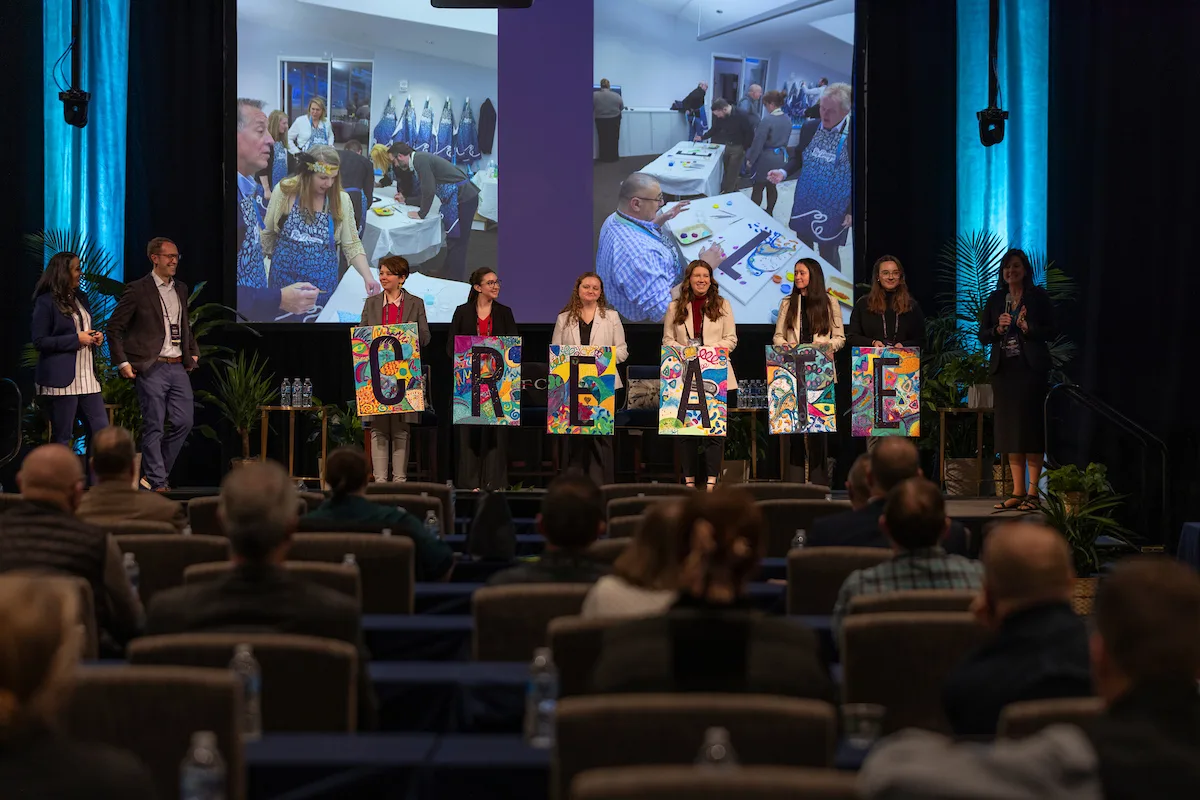
Each year, we bring the senior living community together for By Design to step away from daily demands, learn alongside peers, and reflect on where our industry is headed. This year’s gathering was shaped by a simple but intentional theme: Create. Connect. Inspire.
This theme guided more than the session topics. It shaped how ideas were explored, how conversations unfolded, and how people engaged with each other.
In addition to the broader subjects of creativity, connection, and inspiration, the agenda offered a clear through-line: practical ideas leaders can take back to their organizations right now.
“This year’s conversations reminded us that progress in senior living rarely comes from a single idea, but from the connections that help ideas evolve.” Said Emily Jimerson, SFCS Managing Principal and co-master of ceremonies for By Design 41.
Below are a few high-level takeaways, organized around the same questions we kept hearing in sessions—and in the conversations between them.
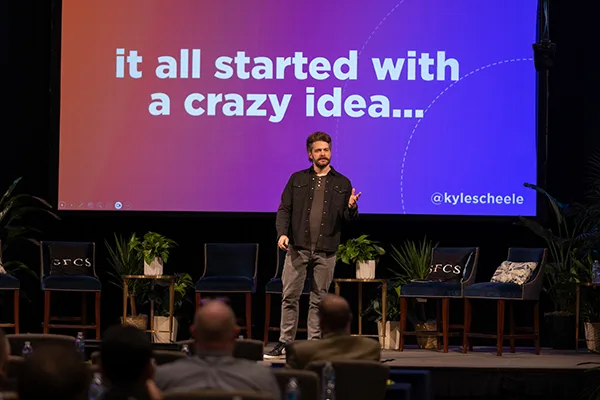
Becoming an Idea Factory: How to turn yourself (and your organization) into an innovation machine
The keynote, by Kyle Scheele, focused on creativity as a repeatable practice, not a one-time brainstorm. The message was that courageous, unconventional ideas can be developed into real-world impact when leaders build habits and environments that make experimentation safe, focused, and productive.
The Art of Innovation
The closing keynote, with Noah Scalin, reinforced that innovation doesn’t require waiting for a “big idea.” Instead, it emphasized consistent strategies that help individuals and teams spot potential in everyday constraints, strengthen creative confidence, and keep momentum going after the event ends.
Seniors 101: The Next Generation
This session explored how designing for older adults has evolved and how generational shifts are shaping expectations today. The big takeaway: “future-ready” planning starts with a deeper understanding of who tomorrow’s residents are and what design choices genuinely support quality of life.
First Impressions to Future Visions: Understanding the Community Lifecycle
Using resident insights gathered across different stages of community living, this session highlighted how perceptions and satisfaction can change over time. The discussion pointed toward actionable programming and design strategies that can help maintain a consistently strong experience as residents move past their early excitement into the patterns of daily life.
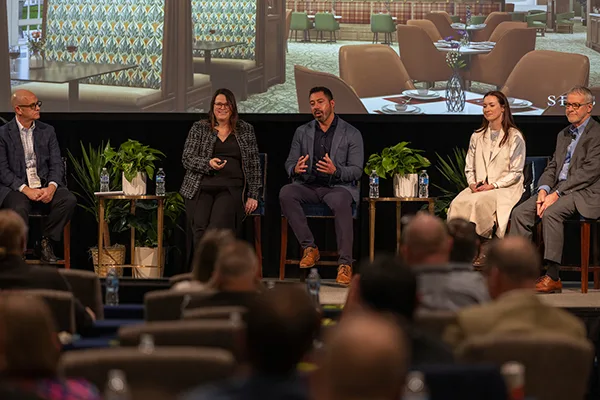
Designs for the Future: Case Studies of Innovation
This panel brought the “where do we go next?” question into focus by comparing three distinct project paths currently in design: an adaptive reuse satellite campus expansion, a major renovation and repositioning, and a greenfield new development. Across the case studies, the emphasis stayed on how design, sustainability, and holistic wellness integration can elevate resident experience, improve operational outcomes, and help communities prepare for what’s next, regardless of the development model.
The conversations don’t stop here. Follow us on LinkedIn for ongoing insight into the challenges shaping senior living and the strategies helping leaders plan what comes next.
Connection was woven throughout the conference experience, both on and off the stage. Exchanges carried from presentations into hallways, meals, and shared activities, allowing perspectives to evolve through dialogue with peers.
“The most meaningful moments happened between the sessions, where ideas became conversations, and conversations became industry changing actions.” said Curtis R. Jennings, III, another SFCS Managing Principal and co-master of ceremonies for By Design 41.
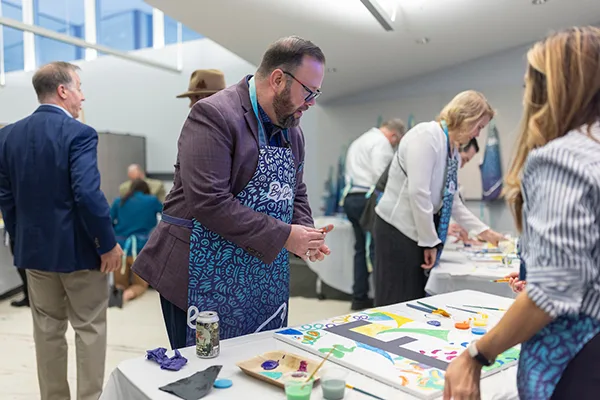
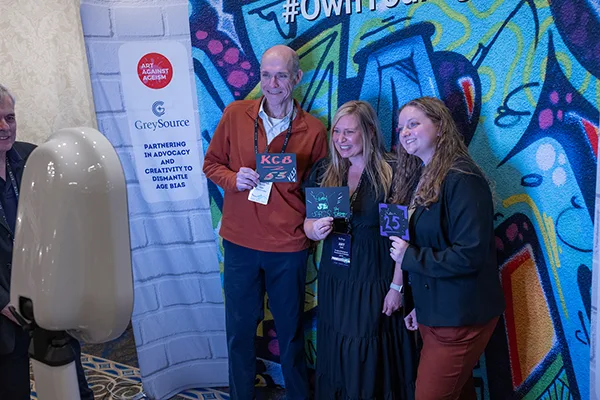
Exhibits featured outside the main ballroom where sessions were held allowed attendees to meet with some of our speakers and get their books signed, “own their age” with a group photos at the Art Against Ageism Photobooth, and even explore the latest in exercise equipment technology with the Keiser Mobile Showroom. Events like the Happy Hour Paint Night and the Celebration Dinner created relaxed settings where relationships formed naturally and perspectives broadened.
As the event progressed, inspiration came not from grand conclusions, but from seeing innovation take shape through real examples. Student work from our long‑standing Virginia Tech collaboration and case studies from communities across the country illustrated how design, programming, and long‑term planning are being used to respond to changing expectations around aging and community life. The closing sessions reinforced that inspiration often comes from steady, thoughtful progress—and from returning home with ideas worth continuing.
If this year’s conversations around creativity, connection, and future‑focused design resonated with you, we hope you’ll consider joining us next year.
Save the Date: February 2 - 4, 2027 at the Hotel Roanoke in Roanoke, VA

Our team is committed to providing quality service, meaningful connections, and thoughtful design. We believe the balance of these key elements has the power to encourage relationships and create exceptional environments where people – and projects – can flourish.
We improve our services and advertising by using Microsoft Clarity. Learn more by reading our Privacy Policy and Disclaimer.


